
The European Union’s push for stricter CO₂ emission standards is accelerating the Green Transition across member states, aiming to reduce transport-related emissions and shift toward electrification. While this ambitious agenda is critical for global climate goals, it raises a question often overlooked in EU enlargement debates: how will these new regulations affect candidate countries, such as Serbia, which are still adapting to EU standards?
Serbia, like many Western Balkan countries, faces a dual challenge. On one hand, national standards for vehicle emissions, energy efficiency, and industrial production are still developing and lag behind EU benchmarks. Complying with the new CO₂ regulations is not only technically demanding but also expensive. To meet EU expectations, Serbia would need to:
Modernize industrial facilities to meet stricter production and emission standards, likely another €500 million or more, depending on sector.
Build recycling centers and waste management infrastructure for old vehicles, which could cost between €200–€400 million, depending on scale and regional coverage.
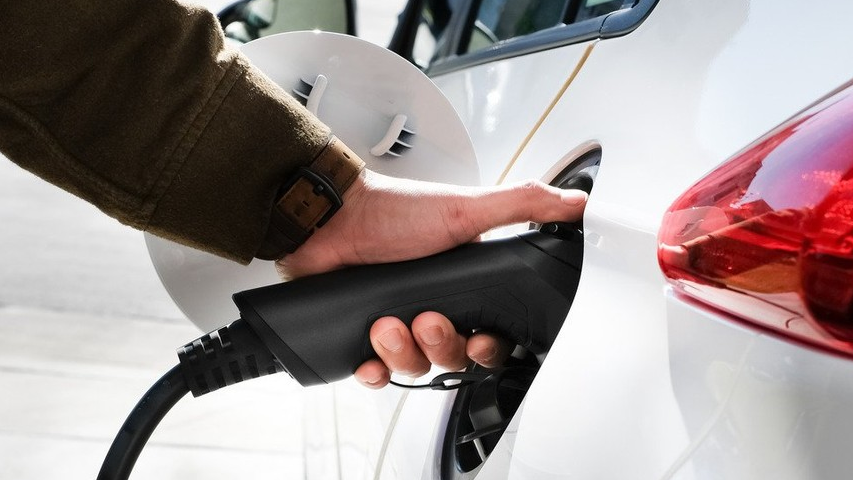
Upgrade energy grids and charging infrastructure for electric vehicles, estimated at €1–1.5 billion for nationwide coverage.
Subsidize or facilitate the import of electric vehicles, since domestic EV production is not yet viable. Even moderate adoption could require €300–€500 million in incentives and logistics support.
Realistically, achieving all of this could take 8–12 years, considering financial, bureaucratic, and technological constraints. For comparison, some EU member states, which historically had lower environmental standards, could phase in these requirements gradually, having already completed earlier transitional adjustments. Serbia, starting largely from scratch, faces the full financial and infrastructural burden upfront.

The result is a potential widening of the gap: the Green Transition, intended to harmonize environmental outcomes, may inadvertently act as a barrier for countries striving to join the EU.
The indirect effects of EU regulations cannot be ignored. Higher vehicle import costs, slower adoption of EV technologies, and infrastructure delays could compound these risks, creating a multi-dimensional challenge that affects economic stability, social equity, and Serbia’s EU accession prospects.
Ultimately, the challenge lies in balancing ambitious climate policies with realistic expectations for candidate countries. Without tailored support and phased approaches, the Green Transition risks not only creating environmental progress in member states but also drifting Serbia and other Western Balkan nations further away from the EU, making the promise of enlargement harder to realize.